A root doesn't choose where it grows. It takes the ground it's given and holds on.
It pulls in whatever the earth has, whether that's water or rot, nourishment or poison, peace or what's left after the bullets. Most of it stays out of sight, and everything above ground depends on it.
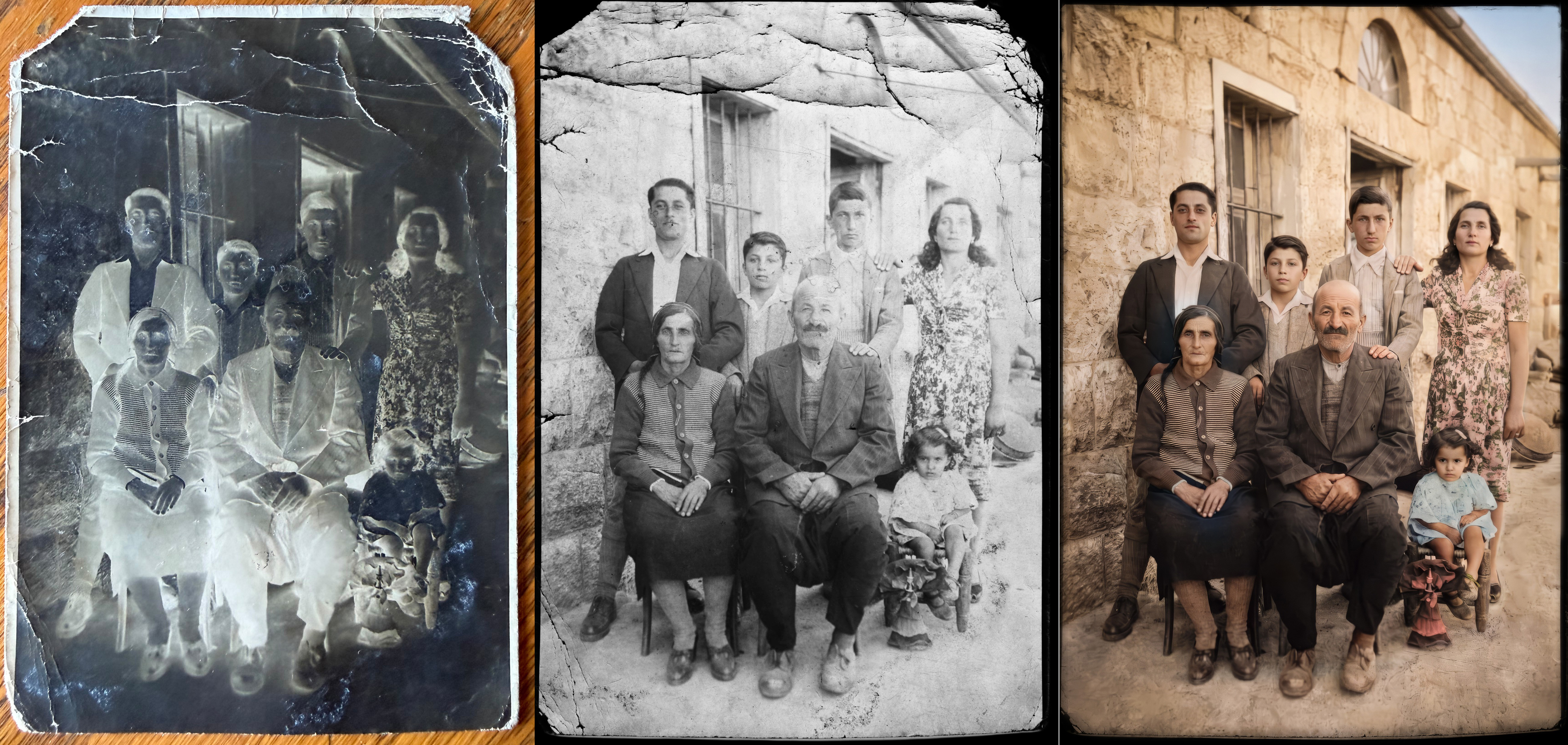
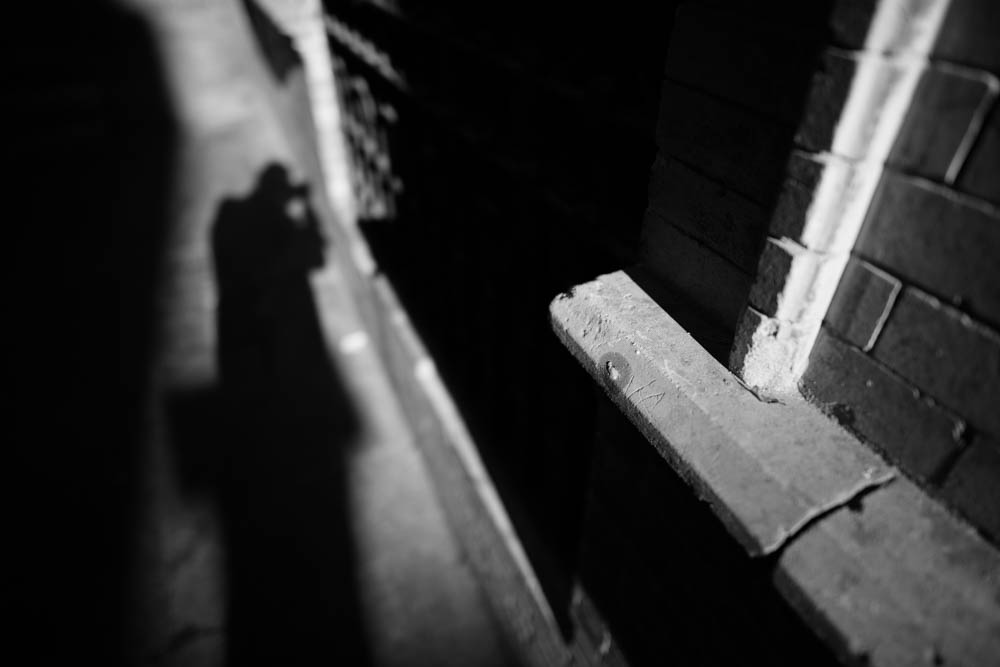
These ten photographs were made over many years, in places I didn't so much visit as return to. Some I returned to in body and some only in memory. They weren't taken as a series. They became one slowly, the way a family resemblance only shows once enough faces sit side by side.
Every place keeps a record of itself. It keeps what people did and wanted, and the damage done in between, long after the people have moved on. Under each surface there is an older one, and under that, older ground.
A society goes on living with its own contradictions. It trades, imitates, rebuilds, forgets, and starts again. It borrows its names from elsewhere and makes them its own. Its confidence and its fragility often turn out to be the same thing.
Love runs through these images, and so does the rougher kind of wanting that sits close to love. Desire is also a root. It works underground and doesn't ask permission.
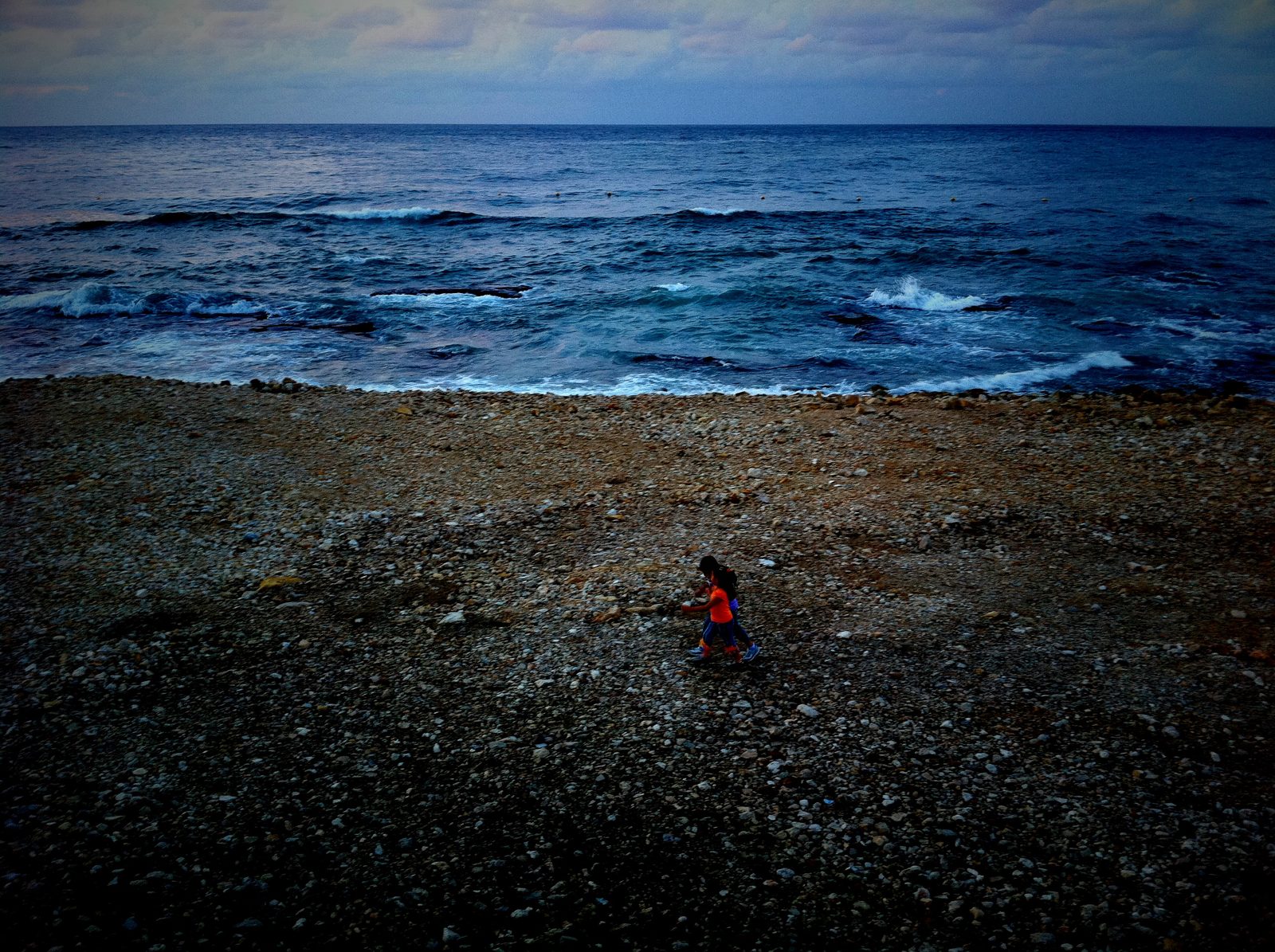
And there are the children. They are what a root finally produces. They inherit the ground whether they want it or not: its beauty, its wounds, and the question of what to do with both. One of these photographs is of my own children. It stays with me.
I don't read these images as documents of a place. I read them as testimony from a single condition. Belonging is never clean, and what feeds us is often what has hurt us. Leaving a place doesn't mean you stop drawing from it.
Root consists of ten photographs. Nine are released in limited editions of eight. The tenth exists only as an artist's proof and is not for sale. When the editions are complete they close and won't be reprinted. What stays is what a root leaves behind: a hold on the ground, and whatever grows from it.
Richard Saad
الجذر لا يختار تربته. يجدها فيقبض عليها.
يأخذ ما في الأرض كما هي: ماءها وعفنها، غذاءها وسمّها، سلمها وما بعد الرصاص. أكثره يغيب. وما يظهر فوق لا يقوم إلا على ما غاب.
الصور عشر، على سنوات، في أمكنة أعود إليها: بالجسد إن أمكن، وبالذاكرة إذا امتنع الجسد. لم أجمعها سلسلة. اقتربت من بعضها حتى بان بينها شبه، كوجوه بيت لا تتضح قرابتها إلا مجتمعة.
المكان لا ينسى. يبقى فيه ما أراده أهله وما عملوه، وما تكسر بين الرغبة والفعل بعد رحيلهم. سطح فوق سطح، وتحت السطوح أرض أقدم.
وهكذا تمضي الجماعة: تبيع وتشتري، تستعير ما ليس لها ثم تسكنه، تهدم وتبني، تنسى وتبدأ. تجيء أسماؤها من بعيد فتصير أسماءها. والعزة فيها والهشاشة كثيراً ما تكونان اسماً واحداً.
في الصور حبّ. وفيها شهوة أضيق من الحب وألصق به. الرغبة تعمل عمل الجذر، ومن غير إذن.
ثم الأطفال. الأرض تصير لهم أحبّوها أم لم يحبّوها: حسنها وجرحها، وما يُصنع بهما. بين هذه المجموعة صورة لأطفالي. هي لي وحدي، ولا تفارقني.
لست أؤرّخ مكاناً. أقف عند حال واحدة: أن الانتماء لا يصفو، وأن ما يُطعمنا قد يكون ما آلمنا، وأن من يغادر أرضه لا ينقطع عن مائها.
عشر صور تحت اسم جذور. تسعٌ في ثماني نسخ لا غير. العاشرة نسخة الفنّان، لا تُباع. إذا اكتملت النسخ أُقفلت ولن تُستأنف.
يبقى من الجذر أثر القبضة في التراب، وما نبت بعدها.
ريشار سعد