“Un Art Moyen”, Un Prompt Moyen
From light to the prompt, in the age of photography with no camera.
A summary. The full essay appears on Substack.
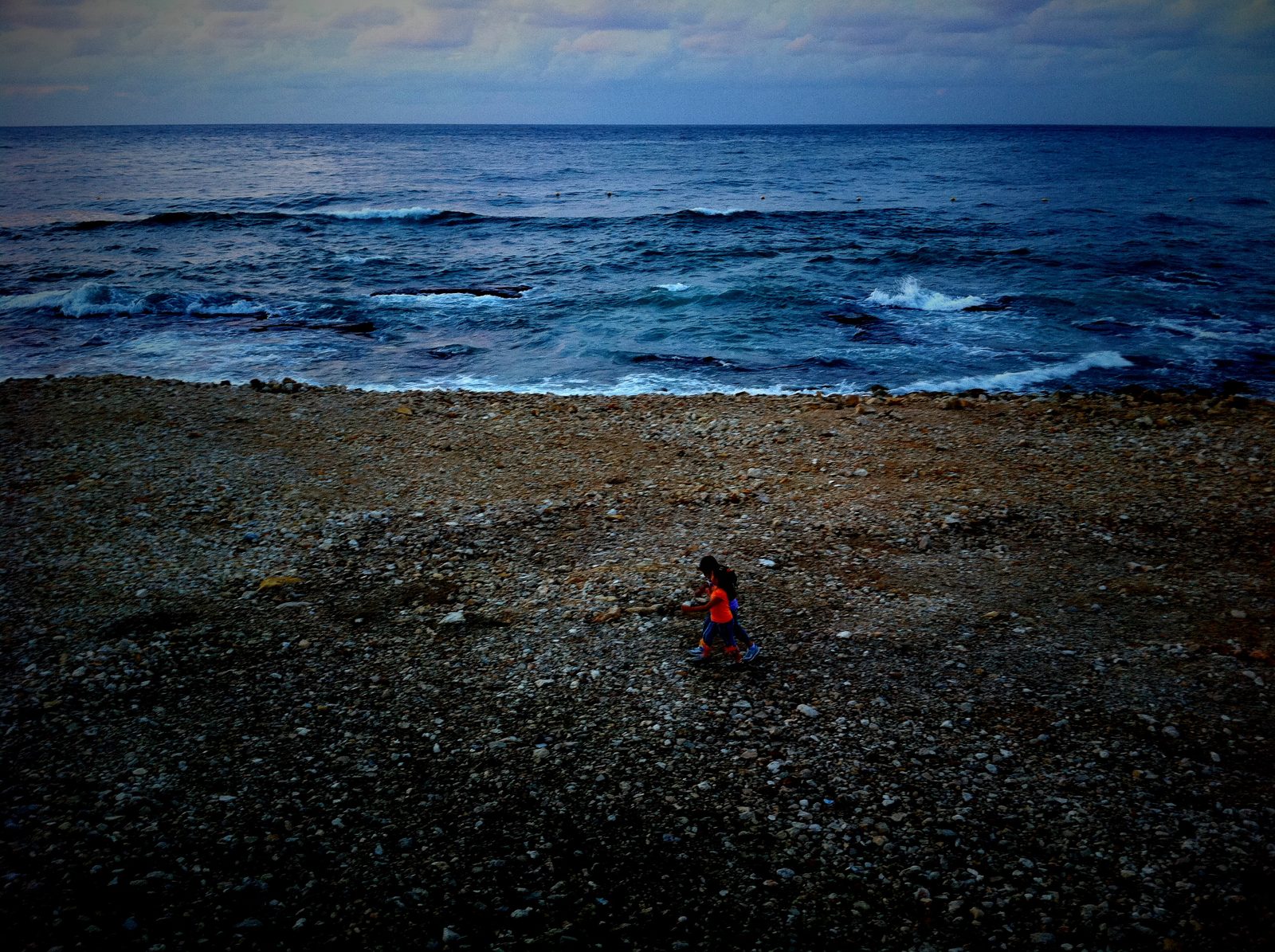
For a century and a half, a photograph was a trace. Someone stood somewhere, light came off a real world, and the picture answered for it. It was proof, however partial, that something had been the case. This essay follows that certainty as it comes apart, in three movements.
It begins with Bourdieu's 'Un art moyen', a study Kodak itself paid for in the 1960s, which found that the “free” snapshot was one of the most tightly governed things people did. The family chose what deserved a picture. The photograph praised, but the choosing belonged to the group.
Then the camera leaves the drawer for the hand. The smartphone dissolves the occasion into the feed, turns prestige into a public score, and hands the ritual to the platform. Finally it moves from the hand to the mind. The AI image needs no lens, no light, no one who stood anywhere. It is the first picture in the history of the medium that is the trace of nothing.
What survives is the function, since photography still binds us, but the referent goes, the shared floor under a disagreement pulled up from beneath us. When the light comes from your own mind rather than the world, responsibility does not dissolve. It concentrates. The machine answers for nothing. The one act left to the person, the decision to release the image, carries the whole of the weight.